Nashville's Trusted Dog Trainer
DogMoore provides specialized separation anxiety training in Nashville, TN. If your dog panics, destroys things, or barks non-stop when left alone, Matthew Moore's systematic desensitization program addresses the root cause of your dog's distress — building independence and confidence gradually.
I would like to express my sincere appreciation to Matthew. His training and advice have had a profound impact on my six-year-old bully. She now walks on a leash without pulling me down and interacts with strangers in a friendly manner. Her behavior has undergone a significant transformation. Matthew Moore has successfully debunked the myth that you can't teach an old dog new tricks!
So thankful for Matt and Tarin at DogMoore. I was overwhelmed trying to learn how to train my first 'big dog' and they moved mountains. We did a 6 week training course and it was perfect! She has all her basic commands down and turned into an amazing dog that listens! When I am out walking her or take her places people are amazed at how well behaved she is.
I did an e-collar/off-leash training class with DogMoore and it was amazing! I had a very defiant and mischievous 1 year old border collie mix who is now an amazing listener. He can run and play without the restrictions of a leash now that I know he won't ever be going into the street.
I would like to express my sincere appreciation to Matthew. His training and advice have had a profound impact on my six-year-old bully. She now walks on a leash without pulling me down and interacts with strangers in a friendly manner. Her behavior has undergone a significant transformation. Matthew Moore has successfully debunked the myth that you can't teach an old dog new tricks!
So thankful for Matt and Tarin at DogMoore. I was overwhelmed trying to learn how to train my first 'big dog' and they moved mountains. We did a 6 week training course and it was perfect! She has all her basic commands down and turned into an amazing dog that listens! When I am out walking her or take her places people are amazed at how well behaved she is.
I did an e-collar/off-leash training class with DogMoore and it was amazing! I had a very defiant and mischievous 1 year old border collie mix who is now an amazing listener. He can run and play without the restrictions of a leash now that I know he won't ever be going into the street.
Separation anxiety is a genuine panic disorder — not a behavior problem, not spite, and not your dog 'punishing you for leaving.' Dogs with separation anxiety experience real, intense distress when separated from their owners or left alone. Understanding this distinction is critical because it determines the entire approach to treatment.
At DogMoore, we've helped numerous dogs across Nashville, Spring Hill, Pulaski, and Nashville, TN overcome separation anxiety through systematic desensitization — the only evidence-based approach proven to create lasting improvement.
Signs of separation anxiety include destructive behavior (chewing doors, scratching walls, destroying furniture), excessive vocalization (barking, howling, or whining for extended periods), elimination accidents despite being fully house trained, escape attempts (jumping through windows, breaking out of crates), pacing, drooling, and refusing to eat when left alone.
Many dogs with separation anxiety are fine as long as someone — anyone — is home. It's not about you specifically; it's about being alone. Some dogs develop separation anxiety after a change in routine (new schedule, moving to a new home, a family member leaving), while others have been anxious about being alone since puppyhood. Rescue dogs are particularly prone to separation anxiety due to the disruption of being rehomed.
The good news: separation anxiety is treatable. The challenging part: it requires patience, consistency, and a systematic approach. There are no shortcuts, but the results are worth it.
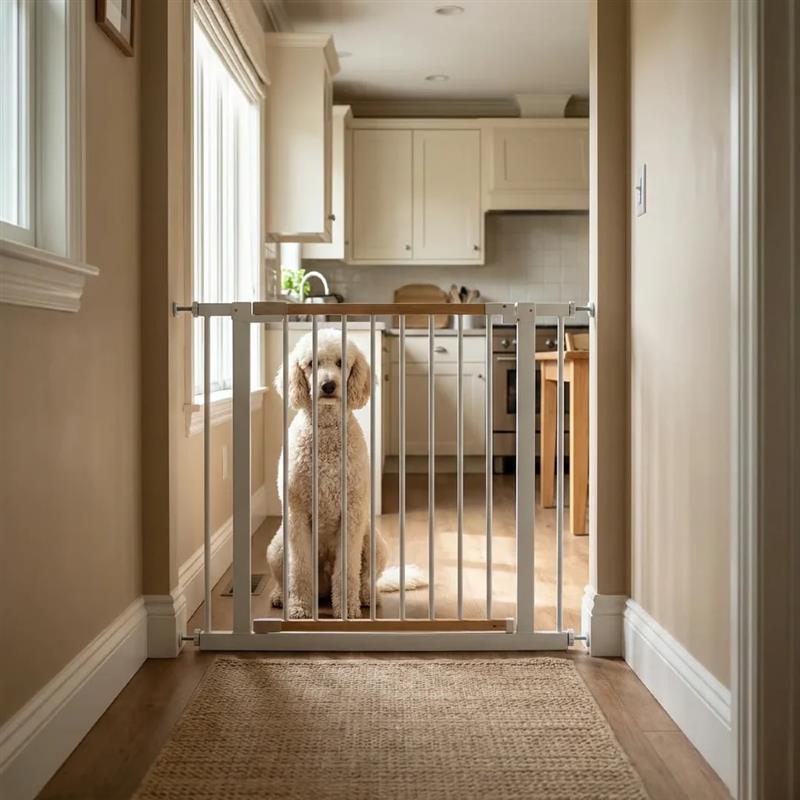
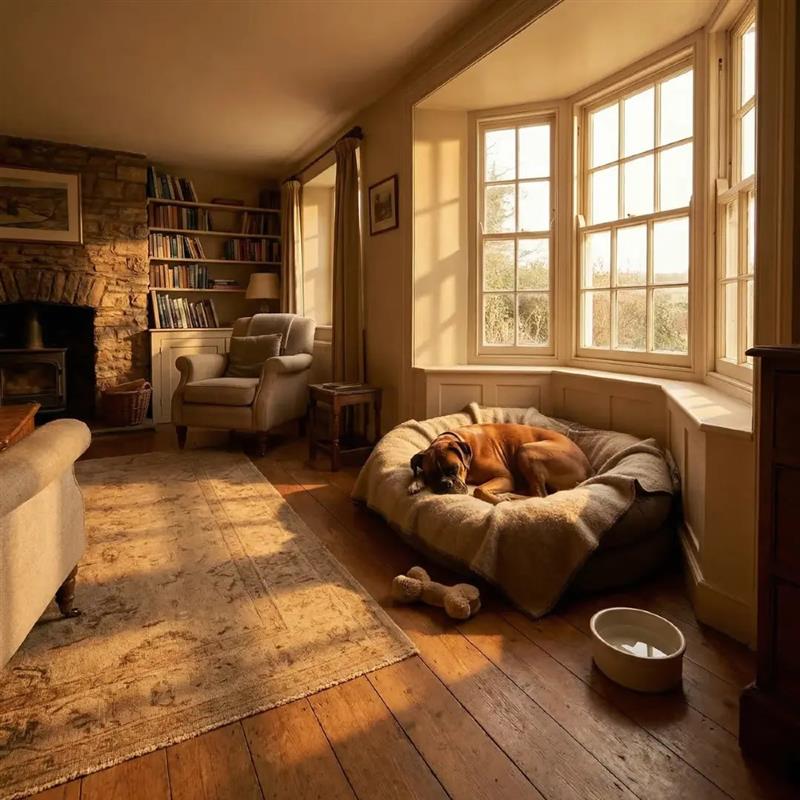
DogMoore's separation anxiety program is based on systematic desensitization — gradually increasing the duration your dog can be alone while keeping their anxiety below the panic threshold. This is the only approach that creates lasting change because it actually rewires your dog's emotional response to being alone.
Assessment and baseline: We start by determining your dog's current threshold — how long can they be alone before anxiety symptoms appear? For some dogs, this is 30 minutes. For severe cases, it might be 30 seconds. This baseline determines our starting point.
Departure cue desensitization: Many dogs start panicking before you even leave because they've learned to associate specific cues with your departure — picking up keys, putting on shoes, grabbing your bag. We systematically break these associations by performing departure cues without actually leaving, until they become meaningless to your dog.
Graduated absences: We build your dog's alone-time tolerance gradually, starting at or just below their current threshold and increasing duration in small increments. Each successful absence builds your dog's confidence that you will return and that being alone is safe.
Management during training: During the desensitization process, it's critical that your dog is never left alone for longer than they can handle. This means arranging daycare, dog sitters, working from home, or other solutions to prevent panic episodes that set back training progress.
Environmental enrichment: We implement environmental strategies that reduce anxiety and build positive associations with alone time — puzzle toys, calming music, specific lighting, comfortable rest areas, and departure routines that signal safety rather than absence.
Medication consideration: For severe cases, anti-anxiety medication prescribed by your veterinarian can significantly accelerate the desensitization process. Medication doesn't replace training — it creates a foundation of reduced anxiety that makes training more effective. We'll recommend veterinary consultation when appropriate.
Understanding what doesn't work is just as important as understanding what does. Many well-meaning recommendations for separation anxiety are not only ineffective but can make the problem significantly worse.
Getting a second dog: This rarely helps because separation anxiety is about being separated from humans, not from dogs. Now you have two dogs to manage, and the anxious dog may teach the new dog to be anxious too.
Crate training alone: While crate training can be part of a comprehensive plan, simply crating an anxious dog often intensifies panic. Dogs with separation anxiety may injure themselves trying to escape crates, break teeth on metal bars, or develop crate-specific anxiety on top of their existing separation anxiety.
Ignoring the behavior: 'Let them cry it out' doesn't work for separation anxiety. Unlike attention-seeking behavior (which does extinguish when ignored), separation anxiety is a genuine panic response that intensifies without intervention. Flooding your dog with prolonged absences they can't handle doesn't build tolerance — it traumatizes them.
Punishment: Punishing your dog for destruction, accidents, or barking that occurred while you were away is completely counterproductive. Your dog can't connect punishment to something they did hours ago, and punishment increases overall anxiety.
Excessive departures and returns: Long, emotional goodbyes and enthusiastic greetings when you return amplify the contrast between 'together time' and 'alone time.' We teach neutral departure and arrival routines that make comings and goings unremarkable.
Matthew Moore works with separation anxiety cases throughout Nashville, Spring Hill, Pulaski, and the greater Nashville, TN area. If your dog struggles with being alone, a professional assessment is the essential first step toward a solution.
We provide professional separation anxiety training to dog owners throughout the greater TN area.
Join hundreds of Nashville families who've built better relationships with their dogs through DogMoore. Your free consultation is the first step.
Serving Nashville, Spring Hill, Pulaski, Lawrenceburg, and surrounding areas